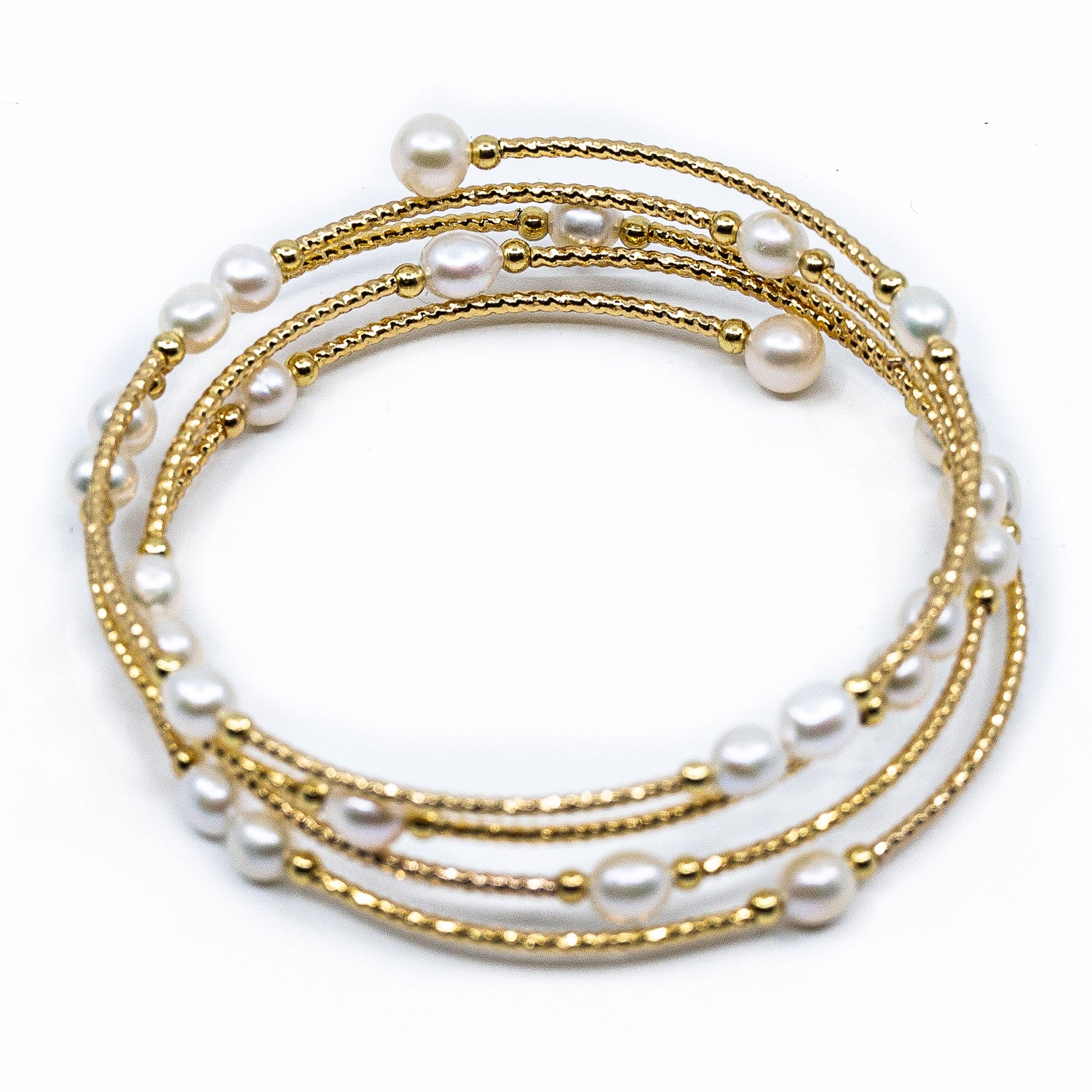


How to Tell If Pearls Are Real or Fake: 10 Easy Identification Tips
Share
Choosing pearl jewelry is exciting, but one of the most common questions buyers ask is, "How can I tell if pearls are real or fake?" Whether you're purchasing your first pearl necklace, receiving a family heirloom, or shopping for a meaningful gift, knowing how to identify genuine pearls can help you make a confident decision.
Unlike imitation pearls, genuine pearls are natural or cultured gemstones formed inside mollusks. Each pearl has unique characteristics, including its luster, surface texture, shape, and weight. While fake pearls may look similar at first glance, they often lack the depth, beauty, and durability of real pearls.
Today, most high-quality pearl jewelry is made using cultured freshwater or saltwater pearls, making authentic pearls more accessible than ever. When you purchase from a trusted retailer offering freshwater pearl jewelry, you can enjoy timeless elegance with confidence.
This guide explains simple ways to identify real pearls, highlights the differences between genuine and imitation pearls, and shares practical tips to help you choose authentic pearl jewelry.
Quick Answer: How Can You Tell If Pearls Are Real?
Real pearls have a natural luster, slight surface imperfections, and feel cool and slightly gritty when gently rubbed against your teeth. Fake pearls usually have a perfectly smooth coating, uniform appearance, and plastic or glass-like finish. Buying from a trusted pearl jewelry retailer is one of the best ways to ensure you're getting genuine pearls.
In This Article
- What makes real pearls different?
- Why genuine pearls are valuable
- Five easy ways to identify real pearls
- Common signs of fake pearls
- Freshwater vs. cultured vs. imitation pearls
- Frequently asked questions
Why It Matters to Buy Genuine Pearls
Pearls are more than beautiful jewelry, they're an investment in craftsmanship, quality, and timeless style. Genuine pearls retain their beauty for years when properly cared for, while imitation pearls often lose their finish, peel over time, or become dull with regular wear.
Authentic pearls also hold sentimental value. They are frequently chosen for birthdays, anniversaries, weddings, graduations, and milestone celebrations because they symbolize wisdom, purity, elegance, and lasting love.
Whether you're shopping for a necklace, earrings, bracelet, or a complete pearl set, choosing authentic pearl jewelry gifts ensures you're giving something meaningful and enduring.
Read More About Why Freshwater Pearl Necklaces Are the Perfect Blend of Classic and Modern Elegance
What Makes Real Pearls Different?
Real pearls are formed naturally inside oysters or freshwater mussels when a tiny irritant becomes coated with layers of nacre. This nacre creates the beautiful glow and depth that genuine pearls are known for.
Imitation pearls, on the other hand, are usually made from glass, plastic, or ceramic beads coated with a shiny finish. While they may resemble genuine pearls from a distance, they lack the natural structure and unique characteristics found in authentic pearls.
No two genuine pearls are exactly alike. Small variations in shape, surface texture, and color are signs of authenticity rather than flaws.
1. Examine the Pearl's Luster
One of the easiest ways to identify real pearls is by looking at their luster.
Genuine pearls have a deep, reflective glow that appears to come from beneath the surface. Light reflects through multiple layers of nacre, creating a rich and dimensional appearance.
Fake pearls usually have a flat, overly shiny coating that reflects light from the surface only. Instead of depth, they often look artificial or painted.
High-quality freshwater pearl necklaces are especially admired for their beautiful luster, making them a popular choice for both everyday wear and special occasions.
2. Look for Natural Surface Imperfections
Perfect pearls are extremely rare.
Real pearls typically have tiny surface characteristics, including slight bumps, ridges, or irregularities. These subtle imperfections are created naturally during pearl formation and are a strong indicator of authenticity.
If every pearl in a necklace looks perfectly identical in shape, color, and texture, there's a good chance they are imitation pearls.
Remember, natural variations add character and make each pearl unique.
3. Perform the Tooth Test Carefully
One of the oldest methods for identifying pearls is the tooth test.
Gently rub a pearl against the edge of your front teeth.
Real pearls feel slightly gritty because of their layered nacre.
Fake pearls usually feel perfectly smooth or slippery due to their synthetic coating.
Although this test is widely used, it should be performed gently to avoid damaging delicate jewelry. It should also be considered one indicator rather than the only method for confirming authenticity.
Read More About How to Store Pearl Jewelry to Prevent Damage
4. Check the Weight of the Pearls
Weight can provide another useful clue.
Real pearls generally feel heavier than plastic imitation pearls because they are formed from layers of nacre.
Glass imitation pearls may feel heavy as well, so weight alone isn't enough to determine authenticity. However, when combined with other identification methods, it becomes a helpful part of the evaluation process.
If the jewelry feels unusually light for its size, it may not contain genuine pearls.
5. Inspect the Drill Holes
The drill holes in pearl jewelry often reveal valuable information.
On genuine pearls, the edges around the drill holes are typically clean and smooth, with layers of nacre visible under close inspection.
Imitation pearls may show chipped coatings, peeling paint, or exposed glass or plastic around the holes.
Examining these small details can help distinguish authentic pearls from lower-quality replicas before making a purchase.
6. Check the Surface Under Bright Light
One of the most reliable ways to identify real pearls is to observe how they react under light.
Genuine pearls reflect light in a soft, layered way. Instead of a harsh shine, they show a deep glow that seems to come from within the pearl itself. This effect is called orient, which is created by multiple layers of nacre.
Fake pearls, however, usually reflect light in a flat and uniform manner. They may look overly shiny or plastic-like under bright lighting, especially artificial LED lights.
If you rotate real pearls under light, you will notice subtle color variations and depth that imitation pearls cannot replicate.
7. Rub Two Pearls Together
A simple and effective test is to gently rub two pearls together.
Real pearls produce a slight gritty or sandy feeling because their surface is made of natural nacre layers. This texture is completely natural and is one of the strongest indicators of authenticity.
Fake pearls usually glide smoothly without any friction because they are made from glass or plastic with a polished coating.
However, this test should be done carefully and only on loose pearls or low-risk jewelry pieces to avoid scratching delicate designs.
Read More About How to Choose the Perfect Freshwater Pearl Earrings for Any Occasion
8. Look at Shape and Uniformity
While perfect symmetry may look attractive, it can actually be a sign of imitation.
Real pearls, especially freshwater pearls, are rarely identical. They often have slight variations in shape, size, and texture. These natural differences make each pearl unique.
Fake pearls, on the other hand, are usually machine-made and perfectly uniform. Every bead may look identical in size and shape, which is not common in nature.
If a necklace looks “too perfect,” it may be synthetic.
This is why modern buyers prefer natural designs like pearl earrings and organic-style pieces that highlight natural variations.
9. Check Temperature (Real Pearls Feel Cool)
Real pearls have a naturally cool surface when touched. This is because they are formed from organic layers of calcium carbonate.
When you first hold genuine pearls, they often feel cool against the skin and gradually warm up after a few seconds.
Fake pearls made from plastic tend to feel closer to room temperature immediately and do not have the same cooling effect.
This temperature difference is subtle but noticeable when comparing real and fake pearls side by side.
10. Examine the Price and Seller Reputation
Price is often one of the biggest indicators of authenticity.
Real pearls, even freshwater ones, require natural formation and careful harvesting, which makes them more valuable than imitation jewelry. If a pearl necklace is being sold at an extremely low price, it is likely not genuine.
Equally important is the seller’s reputation. Trusted jewelry brands that specialize in pearls provide detailed product descriptions, authenticity information, and quality assurance.
For example, curated collections like pearl bracelets or gift sets are typically made with genuine cultured pearls rather than synthetic alternatives.
Always avoid unknown sellers offering “perfect pearls” at unrealistic discounts.
Freshwater Pearls vs Cultured Pearls vs Fake Pearls
Understanding pearl types helps you make better buying decisions.
Freshwater Pearls
Freshwater pearls are grown in mussels in freshwater lakes and rivers. They are widely available, affordable, and come in many shapes and sizes. Most modern pearl jewelry uses freshwater pearls due to their versatility.
Cultured Saltwater Pearls
These include Akoya, South Sea, and Tahitian pearls. They are typically more expensive, more round, and have a higher luster.
Fake (Imitation) Pearls
These are made from plastic, glass, or coated beads. They may look attractive but lack durability, depth, and natural structure.
Choosing real pearls ensures long-lasting beauty and value, especially in meaningful jewelry pieces like pearl jewelry gifts.
Read More About Freshwater vs. Saltwater Pearls: Which Is Better for Jewelry?
Why Freshwater Pearls Are a Smart Choice
Freshwater pearls are especially popular among modern buyers because they offer:
- Natural beauty at affordable pricing
- Wide variety of shapes and styles
- Durability for everyday wear
- Compatibility with modern fashion trends
They are ideal for both first-time buyers and collectors who want elegant yet accessible pearl jewelry.
Key Takeaways
Understanding how to identify real pearls is essential before making any jewelry purchase. Whether you are buying for yourself or gifting someone special, knowing the difference between real and fake pearls ensures long-term value and satisfaction.
Here are the most important points to remember:
- Real pearls have a soft, deep inner luster, not a flat shine
- Natural pearls show slight imperfections and variations
- The tooth test and texture test help identify authenticity
- Fake pearls are usually too perfect and overly uniform
- Weight, temperature, and drill holes reveal key differences
- Trusted sellers are the safest way to guarantee authenticity
- Freshwater pearls are the most accessible real pearl option today
Genuine pearls are not just jewelry, they are timeless pieces that carry meaning, elegance, and emotional value.
FAQs
1. How can I quickly tell if pearls are real?
A quick way is to gently rub them against your teeth. Real pearls feel slightly gritty due to natural layers, while fake pearls feel smooth and slippery. Checking luster and surface imperfections also helps identify authenticity.
2. Do real pearls peel or fade over time?
No, real pearls do not peel because they are made of natural nacre layers. However, imitation pearls may lose their coating or fade with time, especially with regular wear or exposure to chemicals.
3. Are freshwater pearls real pearls?
Yes, freshwater pearls are 100% real pearls formed inside freshwater mussels. They are widely used in modern jewelry because they are beautiful, durable, and more affordable than saltwater pearls.
4. Why do fake pearls look too perfect?
Fake pearls are usually machine-made using glass or plastic beads coated with synthetic material. This makes them extremely uniform in shape, size, and color, unlike natural pearls which have slight variations.
5. Can real pearls get damaged easily?
Real pearls are relatively soft compared to gemstones, so they require gentle care. They should be kept away from harsh chemicals, perfumes, and rough surfaces to maintain their natural shine.
6. What is the most reliable test for pearl authenticity?
No single test is 100% reliable. The best approach is a combination of luster check, surface inspection, texture test, weight comparison, and buying from a trusted jewelry brand.
7. Are expensive pearls always real?
Not always. Price can indicate quality but not authenticity alone. Some imitation pearls are sold at high prices, while some real freshwater pearls are affordable depending on size and quality.
8. What type of pearls are best for beginners?
Freshwater pearls are ideal for beginners because they are real, affordable, and available in many styles such as necklaces, earrings, bracelets, and gift sets.